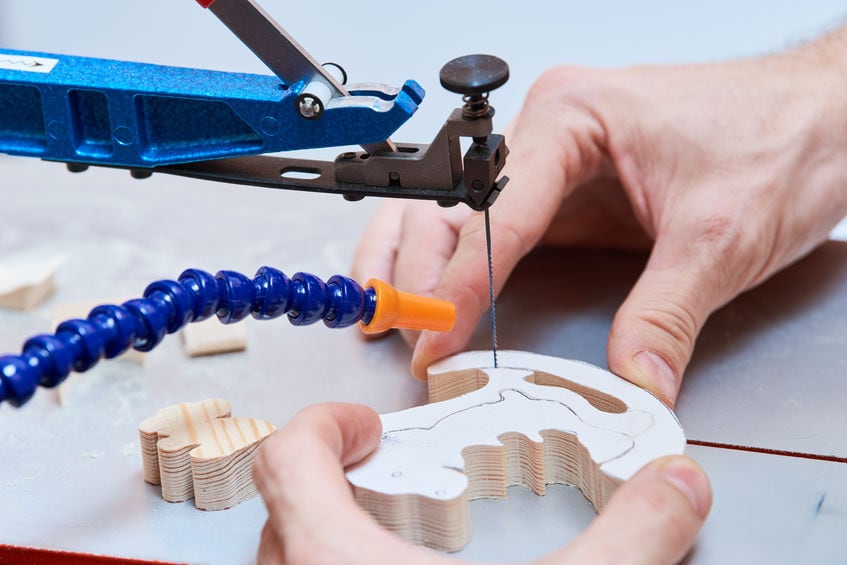
There are many types of fretwork designs for vintage clocks. In this article, we will discuss the Bielefeld, Fred Thuss, and Ingolf Haas designs. While some clocks are made from only one type of wood, others may contain multiple types. Each clock is unique. No matter what kind of style you choose, these intricate pieces are sure to add a touch of class to your home.
Bielefeld clock
If you're looking for a vintage timepiece that will impress your friends, family, and colleagues, this is the place. Bielefeld clocks offer a fine example of gothic fretwork. Because it requires only a clock mechanism as well as hands, a Bielefeldclock is simple to build. The construction is not difficult and wood can be as thin as one-quarter to one-eighth inches. The clock's design is flexible and allows you to adjust the size of each compartment and the dial.
Bielefeld's clock is one of many rare examples of the art form found in German towns. The city dates back as far as the 9th centuries and houses a university and medieval fort. Bielefeld's marketing group is working to dispel the conspiracy theory, which dates back more than 25 years. The conspiracy theory was started by a student who posted a message on Usenet in 1994. Usenet is a German version the internet. This message quickly spread and became widely known, even though the internet at the time was a limited place.
Ingolf Haas clock
Founded more than 100 years ago in Schonach, Germany, Rombach & Haas manufactures fine cuckoo clocks. Owners Ingolf Haas and Conny Haas employ twelve people in the company's old workshops. The company's founders crafted the floorboards and workbenches, which shows how much they value tradition. Ingolf Haas fretwork alarm clocks are among the best examples of its type.
Ingolf Hass' workshop has been an ongoing tradition for more than 150years. His cuckooclocks are among today's most beautiful and accurate clocks. This particular timepiece has VDS certification. The intricate fretwork carving is simply amazing. The clock can run for 8 days on one wind. This clock is a rare find. Its original IngolfHAAS design still recalls an old-fashioned English cottage.
Fort Greene Park has basketball courts that are popular among black children. The park also has water fountains and fountains for dogs. Fort Greene Park's clock and Fort Greene Park were connected in the eighteenth-century and are still very much loved by German visitors. The clock, together with the park, is a German cultural icon and one of the most popular souvenirs. What's so special in Fort Greene Park?
Fred Thuss clock
Fred Thuss clock's elaborately fretted case is a prime example of early twentieth century's obsession with artisanal, wrought iron work. The clock was built from a commercially-available pattern by Upham Manufacturing Company Marshfield, Massachusetts. Making ornaments of this nature was a popular hobby in the latter part of the nineteenth century. Today, the clock is an important element of local history.
FAQ
What tools should you start with to become a woodworker
Woodworking requires patience and practice. It takes time for you to master the different techniques and tools that are required to woodwork.
There are many kinds of woodworking equipment currently on the marketplace. Some prefer to use power tools, while others prefer to use hand tools.
Your choice, however, is up to you. However, you need to ensure that the tool you use is the right one for the job. It may be a good idea to start with a basic set, if possible, if you don’t know much about hand tools.
You might also consider learning how to use the router to create intricate shapes from wood. You can find these at most hardware stores.
Do you have the skills to learn woodworking?
You can learn everything best by doing. Woodworking requires patience, practice and skill. To master any craft, it takes time.
Learning how to do something is best done by doing it. Start small and then build upon what you've learned.
Where can I buy woodworking supplies?
There are many places you can get everything you need, and you don't have to go far. You can visit your local hardware stores, or you can look online at sites like Amazon.com.
You can also check garage sales and flea markets for old furniture and other materials you can reuse.
Do you have any advice on how to start a woodworking business.
It can be difficult to start a woodworking shop. If you are passionate about your hobby, it will not be difficult to put in the work. Plus, you'll probably enjoy the challenge of running your own business.
Remember that you may encounter unexpected problems when starting a new venture. For instance, you might run out of money unexpectedly. Perhaps customers won't pay you as much as you had hoped. To survive, you'll need to be prepared for such situations.
A good tip is to open a separate bank account for your business. You'll be able to track how much money comes in and out.
How much should a hobbyist invest to get started?
If you're looking to start your own woodworking business, you'll probably need some capital to buy the necessary tools and supplies. Start by getting a small circular saw saw, drill press or circular saw. These items are affordable so you won’t break the bank.
How long does it take to finish a piece of furniture?
It depends on the type of wood you choose, the complexity of the design, and the amount of finishing you apply. For example, hardwoods require more maintenance than softwoods. Hardwoods also tend to be more expensive than softwoods. But they last longer, and resist moisture better. The average time it takes to finish furniture is one week to three weeks.
Does it take a genius to make woodworking work?
No. It is not rocket science to woodwork. To create stunning works of art, anyone can learn to use basic power tools.
Statistics
- In 2014, there were just over 237,000 jobs for all woodworkers, with other wood product manufacturing employing 23 percent; wood kitchen cabinets and countertop manufacturing employing 21 percent. (theartcareerproject.com)
- Woodworkers on the lower end of that spectrum, the bottom 10% to be exact, make roughly $24,000 a year, while the top 10% makes $108,000. (zippia.com)
- The best-paid 10 percent make $76,000, while the lowest-paid 10 percent make $34,000. (zippia.com)
- Most woodworkers agree that lumber moisture needs to be under 10% for building furniture. (woodandshop.com)
External Links
How To
How to stain wood
Stain wood is a process that involves applying chemicals to the surface of wood, which changes its color. This chemical reaction causes the wood to change from white to brownish red. While oak is the most widely used type of wood for staining purposes, other types of wood are also available.
There are many ways to stain wood surfaces. One method involves mixing the stain and a solvent and then spraying it on the wood. Another method involves applying a solution of water to the wood. The stain can be mixed with paints and varnishes to become part of the final coating.
Preparing the surface is the most important step in staining wooden surfaces. The wood must be thoroughly cleaned to remove all grease and dirt. Sanding smoothens scratches and rough spots. The next step is to choose the stain type you want. Penetrating stains are different from non-penetrating. Penetrating colors penetrate deeper into wood than those that are non-penetrating. This makes them more suitable for darker colors, such as mahogany. Non-penetrating stains work best with light colors like maple.
After choosing the type and application method you prefer, gather your tools. Because you can spread the stain evenly with a paintbrush, it is ideal for applying them. After you're done painting, make sure to have some rags handy to remove any excess stain. If you intend to mix the stain yourself you will need enough containers to hold all the components.
Once you have prepared your materials, start by cleaning the area where you plan to stain the wood. You can remove grime and dirt with warm water and soap. You can wipe down the entire furniture using a damp rag with clean water. Take care to remove all debris and dirt, especially if you are planning on staining darker wood.
The stain should be applied next. Begin at one end and spray or brush the stain on the wood. Move slowly and carefully along the grain of your wood until you reach its opposite end. Keep the stain from dripping off the wood's surface. Before moving on to the next steps, allow the stain drying completely.
Protect the painted surface with a coat polyurethane paint sealant. Three coats are recommended for polyurethane. Allow the third coat to dry overnight before sanding the final coat.