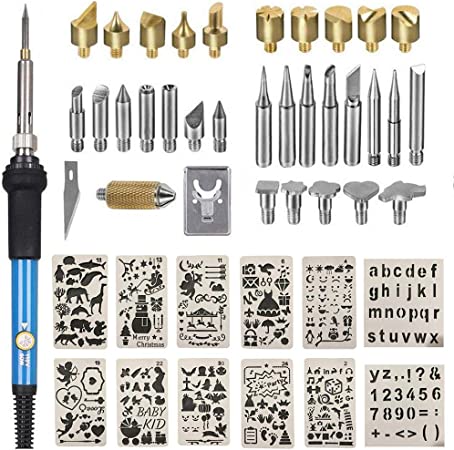
By burning wood, you can create intricate designs. Basic wood burning tools provide detailed results. The tip is fixed at 600-900 degrees. The tip of a chisel can be used to create different line thicknesses, shading and dotted patterns. You can also use ceramic tile to protect the surface from burns. There are many more types of wood burning tools than these, but these are the most common.
Air assist
To burn wood engravings by burning, it is important to have a well-ventilated space. To remove smoke from the engraving process, air circulation is essential. For better air circulation, open windows and install ventilation fans. To blow out smoke from wood carvings, you can use air assist. This is an important safety measure, as wood is very flammable and can cause burn marks when burned. To reduce the exposure to fumes from wood laser engraving, a smoke purifier can be used.
Using air assist when engraving wood by burning can be a great way to minimize burn marks, as this technique utilizes compressed air during the engraving process. This feature is very useful if engraving an image or design with fine details. Too much sanding could ruin the engraving's unique beauty. For a smooth final product, be sure you blow away any dust generated during the engraving process.
Electric wood burners
There are many different types of wood burners and pyrography tools available. There are two main types of woodburners: electric soldering and pyrography pencils. The latter gives you more control and allows you to engrave finer patterns on wood. These pens typically come with 4-7 tips and are mounted on safety stands made from metal. When not in usage, it is important for the pyrography pencils to be set on the stand. Let them cool down, then change the tips. The pen might smoke and then malfunction.
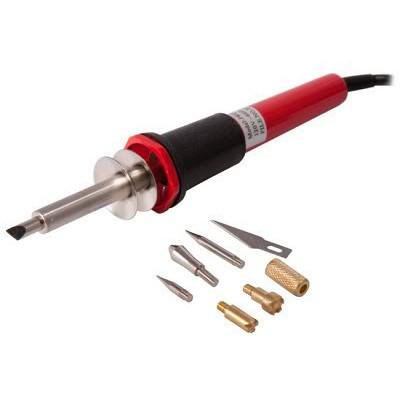
While wood burning tools are generally a hand-held tool, the safety and comfort of the user should never be compromised. You should choose wood burning tools that are heat resistant. Heat is an important factor. You can also purchase accessories, such as carbon paper, on Amazon, to help you get started with engraving wood. These can include stand-alone pyrography tools and accessories, such as carbon paper, for engraving wood.
Soldering irons
If you're engrave wood, you might want to consider using soldering irons. Because they create a steady temperature, and don't ruin the work, these irons are a safer choice than pyrography pens. They are more expensive than a soldering-iron, but they are worth it. You might want to invest in an engraving machine if you plan to engrave your own wood.
Make sure you use the correct tip on your soldering Iron and that it is adjusted to the right level to achieve the desired engraving effect. Most soldering irons come with basic tips made of iron or copper, which are not suitable for detailed lettering or drawing. Because of its precision and focus heat, a hot tip soldering tool is perfect for wood burning. Hot knife tips are available from many home improvement stores, or you can make your own at home.
Laser cutters
Some laser cutters can leave burn marks when used for wood engraving. These can't always be avoided, but you can reduce the damage by applying masking tape to the wood. You can purchase large rolls of application tape and apply it to both sides. Use a plastic squeegee for best results. Press the tape down tightly and remove any air bubbles.
Hardwoods cannot be laser cut because of their high resin content and the smoke they produce. This can make it difficult to see what is happening and could pose health risks. Fibrous woods like bamboo are more difficult to cut. It is also difficult to cut these woods because of their inconsistent grain density. Therefore, deep engraving may not be possible. This wood has a light to medium-colored color. For this reason, it is better to use a wood-engraving machine that can be set up to cut through thicker and thinner layers of wood at a slower rate.
Rust extraction
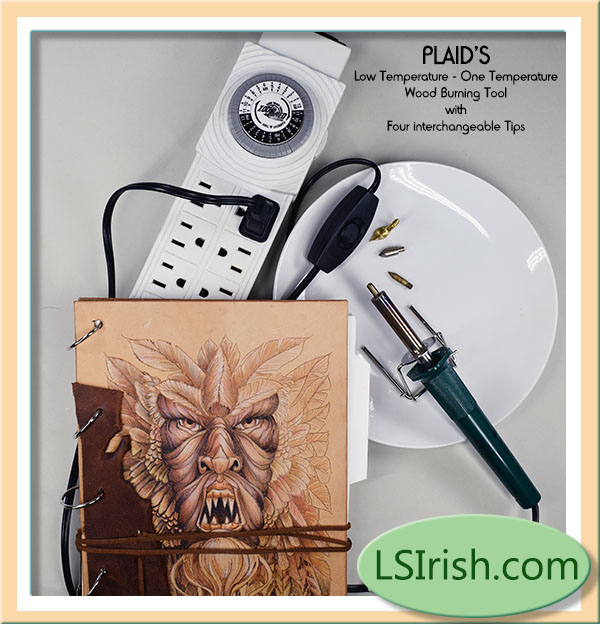
A few steps are necessary to ensure the best results. First, ensure you choose the right wood. Different wood types may have different burn characteristics. Different characteristics can be found in the same wood from one sheet to another and even section to section. To achieve the best wood burning results, it is important to be aware of the wood's characteristics. Unprocessed wood slices will show rings of various colors, and an exploded look. Plywood, on the other hand, will shift in color during burning.
The second option is to use acidic substances to eliminate rust. Vinegar or acetone are two options to remove rust on tools. You can also dip aluminum foil in water or vinegar and then rub it over the rusted area. Lastly, you can use baking soda. To make a paste you can mix baking soda with water or vinegar. This paste can then be removed with a brush.
FAQ
Is it easy to start a woodworking business?
It can be difficult to start your woodworking business. There are many laws and regulations you need to be aware of. However, it doesn't necessarily mean you must go through all the hassle of setting up a business. Many people choose to join existing businesses. This allows you to join existing businesses and pay only membership fees.
Where can I start woodworking?
The best way to learn how to build furniture is by building furniture. Although you will need to have tools and may make mistakes along your journey, you'll soon be able to master it.
First, choose a project you would like to complete. It can be as simple as a small box, or as complex as a complete entertainment center. Once you've decided on a project, find a local woodworker who specializes in that kind of work. Ask them for suggestions on the tools you will need and where to buy them. Perhaps you could ask if there is someone else who does this type of work.
Which wooden products are most popular?
Wood that has been harvested sustainably is the best-selling type of wood.
Maple, cherry, mahogany walnut, teak, mahogany and maple are the most common woods for furniture.
These woods are very strong, but they also have beautiful grain patterns and colors. They are also very durable if properly maintained.
To protect wooden furniture from moisture damage, you should paint it first. All surfaces should be painted, including doors, drawers, and handles.
Choose a paint with water resistance if you want furniture to last as long possible.
Use a high-quality, oil-based primer and two coats of topcoat. You may need to apply several coats of top coat depending on how much wear it is expected.
You should avoid using aerosol paints or spray cans. These products contain solvents that evaporate quickly and leave behind harmful fumes.
What type of wood should I choose?
There are many wood types that are used in woodworking, including oak, maple and birch. Each wood type has its own characteristics which affect the final product's appearance and feel. Oak is a darker wood and tends to be more durable than other types. Birch is lightweight and soft while mahogany is heavier and denser. You can also choose between solid wood and veneers. Veneers are thin wood sheets that are glued together to form one layer.
Statistics
- If your lumber isn't as dry as you would like when you purchase it (over 22% in Glen Huey's opinion…probably over 10-15% in my opinion), then it's a good idea to let it acclimate to your workshop for a couple of weeks. (woodandshop.com)
- In 2014, there were just over 237,000 jobs for all woodworkers, with other wood product manufacturing employing 23 percent; wood kitchen cabinets and countertop manufacturing employing 21 percent. (theartcareerproject.com)
- Average lumber prices rose about 600 percent between April 2020 and May 2021. (familyhandyman.com)
- Overall employment of woodworkers is projected to grow 8 percent from 2020 to 2030, about as fast as the average for all occupations. (bls.gov)
External Links
How To
How to stain wood
The process of staining wood involves the application of chemicals to the wood's surface, which causes it to change its color. The wood will turn from white to brownish-red due to the chemical reaction. While oak is the most widely used type of wood for staining purposes, other types of wood are also available.
There are several ways to apply stains to wood surfaces. Mixing the stain in a solvent such as turpentine and spraying it onto the wood is one method. You can also apply a solution containing water and dye directly to the wooden surface. Stains can also be mixed into paints and varnishes, becoming part of the finish coating.
The first step in staining wood is preparing the surface. To apply the stain, clean the wood completely. Sanding smoothens any scratches or rough spots. The next step is to determine the type of stain you would like to use. There are two main kinds of stains available: non-penetrating stains and penetrating. Penetrating stain penetrates deeper into wood than nonpenetrating, making them suitable for dark colors like mahogany. The best non-penetrating colors are those that work with light colors like maple.
Once you have decided on the stain type that you want, get your tools ready. Paintbrushes are great for applying stain because they allow you to evenly spread the liquid across the surface. You should also have some handy rags to wipe up excess stains after you finish painting. You should have enough containers to store the various components of the stain mixture if you intend to mix it yourself.
Once you have prepared your materials, start by cleaning the area where you plan to stain the wood. Use soap and warm water to remove dust and grime. Use a dampened sponge and warm water to clean the entire piece. Make sure you eliminate any loose debris, especially if you plan to stain darker wood.
Next, spray the stain. Next, apply the stain to the furniture by starting at one end. Move slowly and carefully along the grain of your wood until you reach its opposite end. You must be careful not to allow the stain to drip off the wood's edges. Before proceeding to the next step, let the stain dry thoroughly.
To protect the painted surface, apply a coat of clear polyurethane sealant. Three coats are recommended for polyurethane. Allow the third coat, which should dry overnight, to dry before sanding.