
Wood burning is a wonderful way to gift your kids something unique. A wood burn project is a wonderful way for children to express themselves and create a lasting memory. To give a special gift, you can use a template to burn the drawing that your children made.
Avoid burning wood with a grainy, resinous or dark color.
Before you begin to burn wood, it is important that you identify the type of wood you intend on using. Certain types of wood work better for specific purposes than others. Choose wood that is easy and light to split. You will need to season wood that is light or grainy if it is not green. Lightly seasoned wood is light and has visible cracks and darker ends. It gives off a distinctive sound when two pieces are struck together. It is best to avoid burning pine if using dark, resinous wood.
You should choose wood that is at least a third the thickness for the final project. Crafts require a minimum thickness of 0.38 inches (9.5 mm). Thinner wood will smoke and curl badly. Plywood can quickly fade your design and paint can smear. A wood surface that has been painted or resinous can emit toxic fumes and chemicals into the air.
For pyrography, light-colored woods are best. Lighter woods have less grain and are generally cheaper. Because light woods don't contain as much resin, they are less dense than dark-colored woods. If you're starting out, you can use cheaper woods such as beech. Be aware of the dangers of glue and wood with a pattern.
Avoid burning wood over glue lines
You can avoid burning wood by making sure that glue lines do not get too moist. Glue lines tend to be moreconductive than wood. This is because the current flows faster through the line. There are many other factors that could contribute to wood burning, such as the shape and anatomy of the wood. These tips will help you avoid burning wood on glue lines.
Do not burn wood with epoxy
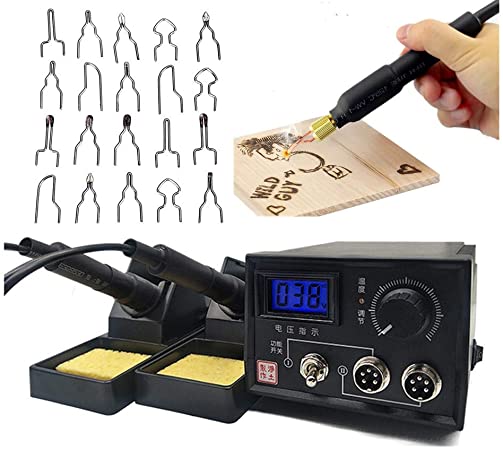
It might be time for you to reevaluate your safety precautions after sanding on a newly constructed deck. Epoxy can lead to respiratory problems. Sensitization may occur when this chemical is exposed to a number of times. You may experience skin irritation or respiratory problems. Epoxy exposure can lead to inflammation of the skin and the respiratory system. Itching, rash and red eyes are other common side effects. These reactions can be severe or mild, but they are unlikely to cause any serious complications.
Wood is an excellent material for making epoxy. Although it can be costly and not suitable for all projects, it is cheap and can be taken from fallen trees. Epoxy's main ingredient is volatile, so avoid burning wood. You run the risk of igniting the epoxy by burning wood on top. You should follow the manufacturer's recommendations if you use this product.
Mix epoxy with gloves. When epoxy hardens quickly, it is essential to use gloves. Pouring it is as easy as pouring a bath. The only difference between the two is that epoxy poured into wood may run into other areas. Therefore, it is crucial to make sure it is evenly poured. Applying epoxy with a foam brush won't create the perfect surface.
FAQ
How long does it take to finish a piece of furniture?
It depends on what size piece of furniture you have. You can finish smaller projects, such as boxes or picture frames, in one day. Larger projects such as tables and desks can take several days to complete. It takes time and effort to properly stain the wood.
Are you looking for tips to start a woodworking company?
Starting a woodworking business is a lot of work. You won't mind working hard if your hobby is something you love. You will probably love the challenge of starting your own business.
It is important to remember that unexpected problems may arise when you start a new venture. You might run out money, or you may have to borrow unexpectedly. Or maybe you'll find that customers aren't willing to pay as much as you'd hoped. You need to be ready for these situations if you want to survive.
One good tip is to set up a separate bank account specifically for your business. This way, you'll always know exactly how much money you have coming in.
How do I choose the right tools for me?
It is important to consider your needs and preferences when shopping for tools. Do you prefer metal or plastic handles What size nails and screws do you usually use? Would you rather use hand tools than power tools?
Where to Buy Hardwood Lumber?
Home Depot can sell hardwood lumber. They sell all kinds of wood products, including flooring, cabinets, furniture, etc.
A wide range of engineered hardwoods are also available, such as Ipe and Brazilian Cherry (Pau d'Arco), Mahogany and Swietenia Macrophylla.
These woods can be found online by searching for "hardwood lumber" in Google.
Where can I get free woodworking plans?
You don't need to purchase any books or magazines to find free woodworking plans. All you need to do is search Google. Simply type "free woodworking” into the search box and you'll find hundreds of websites that offer free plans.
How much will it cost to get started?
Because every project is unique, there aren't exact numbers. Here are some factors to help you estimate how much money you will need.
-
Material costs
-
Tools and equipment
-
Time spent working on the project
-
The hourly rate
-
How much profit do you expect to earn
-
You can hire help, regardless of whether you have a plan.
You might start small if you are just starting out. You will gain more experience and be able to tackle larger projects.
What type of wood should I choose?
The most commonly used woods for woodworking are oak, maple, cherry. Each type of wood has its own unique characteristics that can affect the final product's appearance. For example, oak tends to be darker and harder than other woods. Birch, which is lighter and soft, is more heavy than mahogany. You can also pick between veneers and solid wood. Veneers are thin wood sheets that are glued together to form one layer.
Statistics
- Most woodworkers agree that lumber moisture needs to be under 10% for building furniture. (woodandshop.com)
- If your lumber isn't as dry as you would like when you purchase it (over 22% in Glen Huey's opinion…probably over 10-15% in my opinion), then it's a good idea to let it acclimate to your workshop for a couple of weeks. (woodandshop.com)
- The best-paid 10 percent make $76,000, while the lowest-paid 10 percent make $34,000. (zippia.com)
- In 2014, there were just over 237,000 jobs for all woodworkers, with other wood product manufacturing employing 23 percent; wood kitchen cabinets and countertop manufacturing employing 21 percent. (theartcareerproject.com)
External Links
How To
How to join wood with no nails
Woodworking is an enjoyable hobby. It is relaxing and enjoyable because you can create something useful with wood. However, there are times when you want to join two pieces of wood together without having to use nails. This article will teach you how to do this to keep your woodwork projects looking great.
Before joining the pieces of wood together, you will need to first trim any edges. You don't want to leave sharp corners that could cause problems later on down the road. Once you've done this, you're ready to start gluing your boards together.
When working with hardwood, glue should be applied only to one side. If you're using softwoods like pine or cedar, you should put glue on both sides. Press the boards down until the glue is fully incorporated. Before moving onto the next step, make sure the glue has dried completely.
After you have glued the boards together, drill holes in the joints where you intend to place screws. Depending on what type screw you choose, the size of these holes will depend on how big they are. For example, if your screw is a 1/2-inch wooden screw, drill a hole that is at minimum 3/4 inches deep.
After drilling your holes, drive the screws into the board's backside. Don't hit the board's surface. You could damage the finish. Try to not hit the ends of the screws when driving the screws. This will prevent splitting the wood's end grain.
Once your project is complete, it's time to protect it against the elements. You can either seal the entire piece of furniture or cover the top. You will want to choose a product that will be durable for many years. There are many options: oil-based varnishes; polyurethane; shellac; lacquer.
You can find these products at most home improvement stores. You should make sure you are getting the right type for the job. Also, remember that some finishes are toxic and should never be used indoors. So, always wear protective gear when handling them.